Click on the image to enlarge it.
SENEGAL
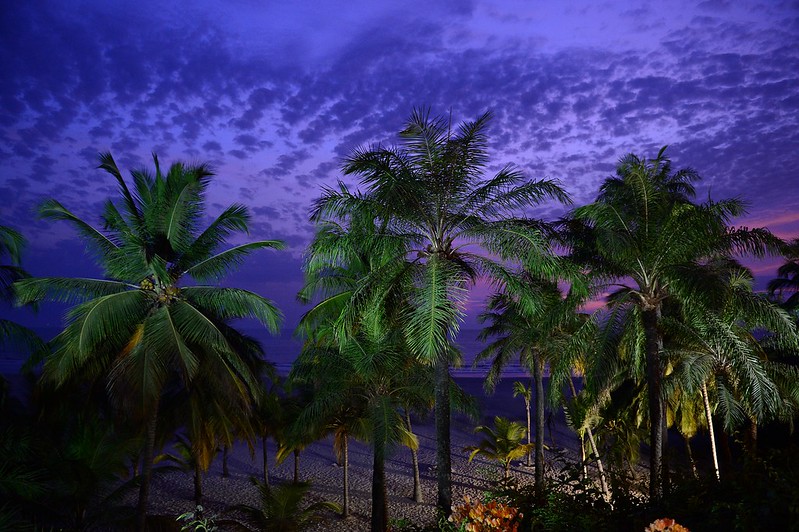
Following a path between land and water we move across an incredible variety of natural environments such savannah, estuaries, forest, mangrove swamps…
DEPARTURES:
18 July 2026
10 August 2026
17 October 2026
17 November 2026
27 December 2026
You can book online until 30 days before departure.
If you wish to book closer to departure date, please contact our sales team on transafrica@transafrica.biz
SENEGAL
NATURE
Following a path between land and water we move across an incredible variety of natural environments such savannah, estuaries, forest, mangrove swamps. Birds will be a constant presence along the whole journey. Djoudj National Sanctuary in Senegal is one of the main migratory bird sanctuaries on earth.
HISTORY, PREHISTORY & TIMELESS VILLAGES
We will discover historical sites such as Dakar, the current capital of Senegal and an African intellectual center since before independence; Gorèe Island, which was the collection point for slaves destined for the New World; Saint Louis, the first capital of French West Africa at the time of colonialism. We will experience contact with “timeless” people and places, such as nomadic herders and remote villages.
ART, CULTURE & MUSIC
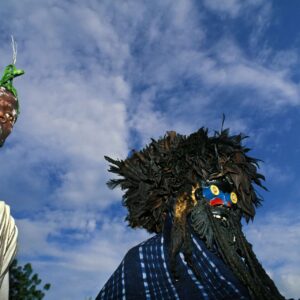
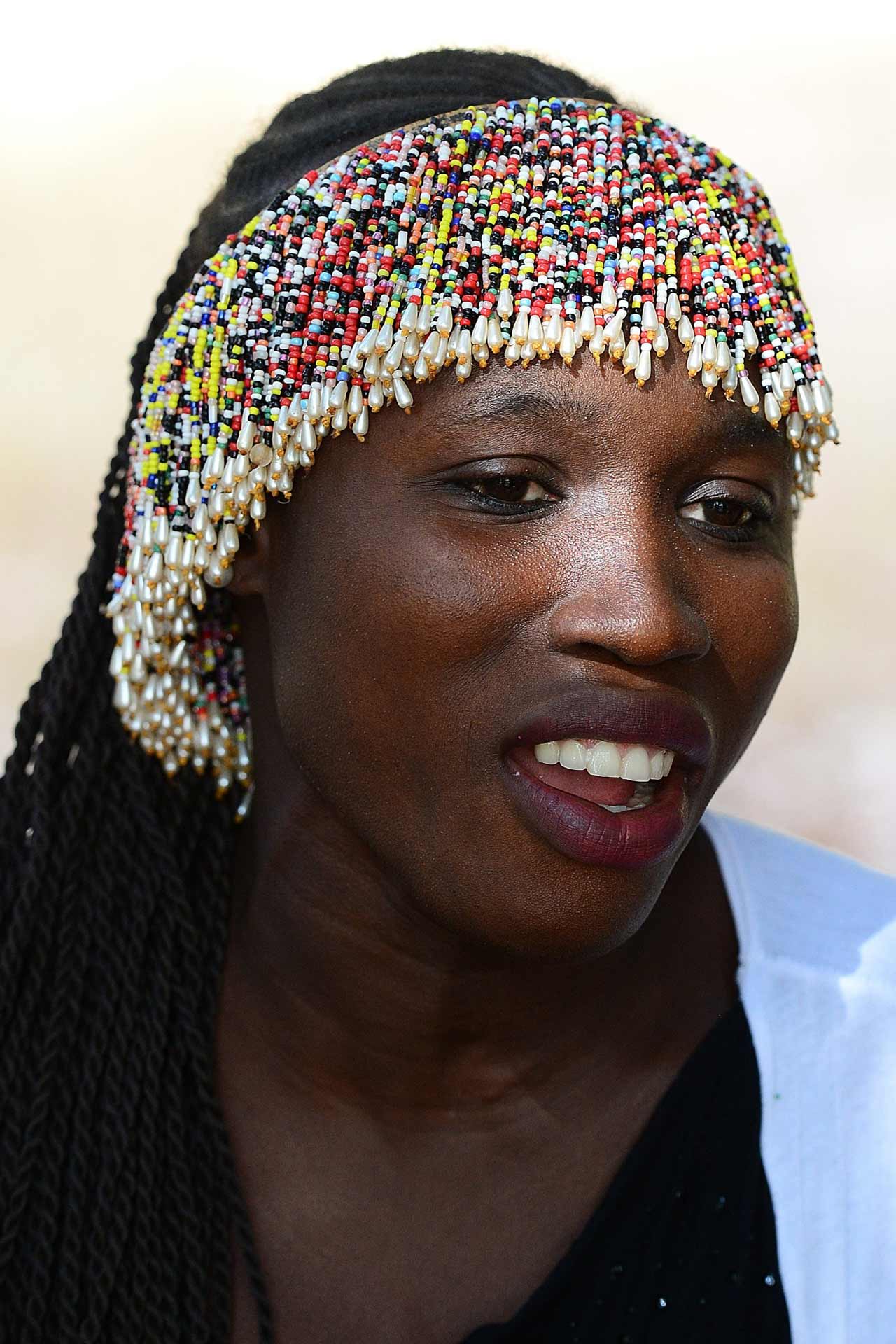
In the northern savannah, we will be invited to the camp of nomadic herders and make the acquaintance of the largest African brotherhood that practices a peaceful Islam, rejecting all forms of fundamentalism and violence.
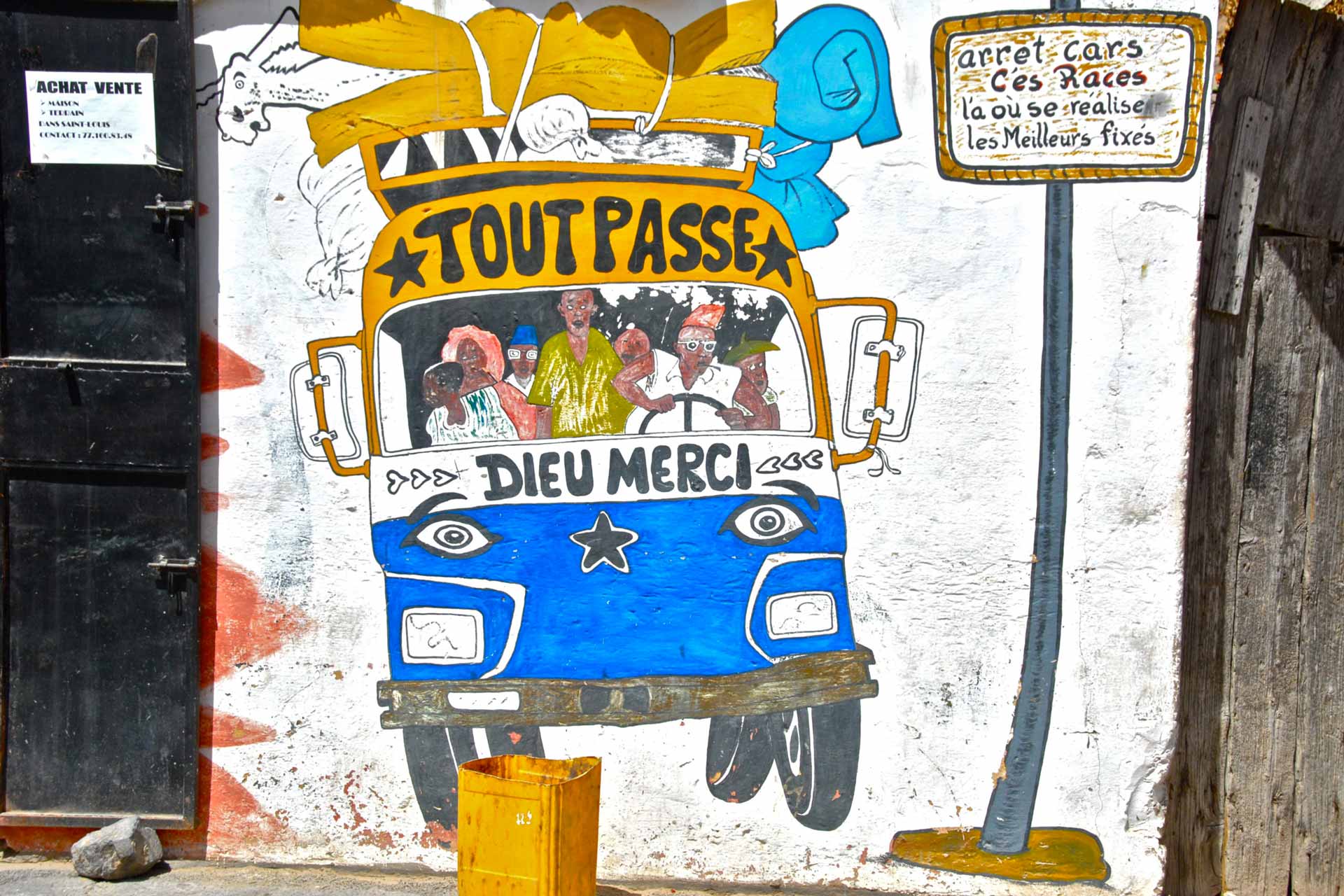
We will also focus on contemporary art and music: the metropolis of Dakar has always been the cultural capital of West Africa and attracts legions of painters, sculptors and artists from the entire continent.
Arrival in Dakar and transfer to the hotel.
Dakar is located at the end of the Cape Verde peninsula, the western-most point on the African continent and has a population of about 2.4 million people.
Nowdays a large and vibrant African metropolis it was the cultural and intellectual capital of the former French West Africa.
Also the Senegal’s capital, is currently a window on contemporary art and music and the center of all kinds of creativity.
We visit the Musée des Civilisations Noirs, opened in December 2018, is the creation of the vision of Léopold Sédar Senghor (first president of independent Senegal, intellectual, poet and writer). The museum represents the historical and contemporary cultures of the African diaspora around the world, the art and soul of black people, which he called Negritude. We also visit the Cathédrale Notre Dame. The construction project of the Dakar cathedral was started in 1910 to pay tribute to African combatants; the cathedral was built on a Muslim cemetery in the Neo-Sudanese style, a style inspired by the architecture of mosques in the Sahara and Sub-Saharan land, and consecrated on 2 February 1936.
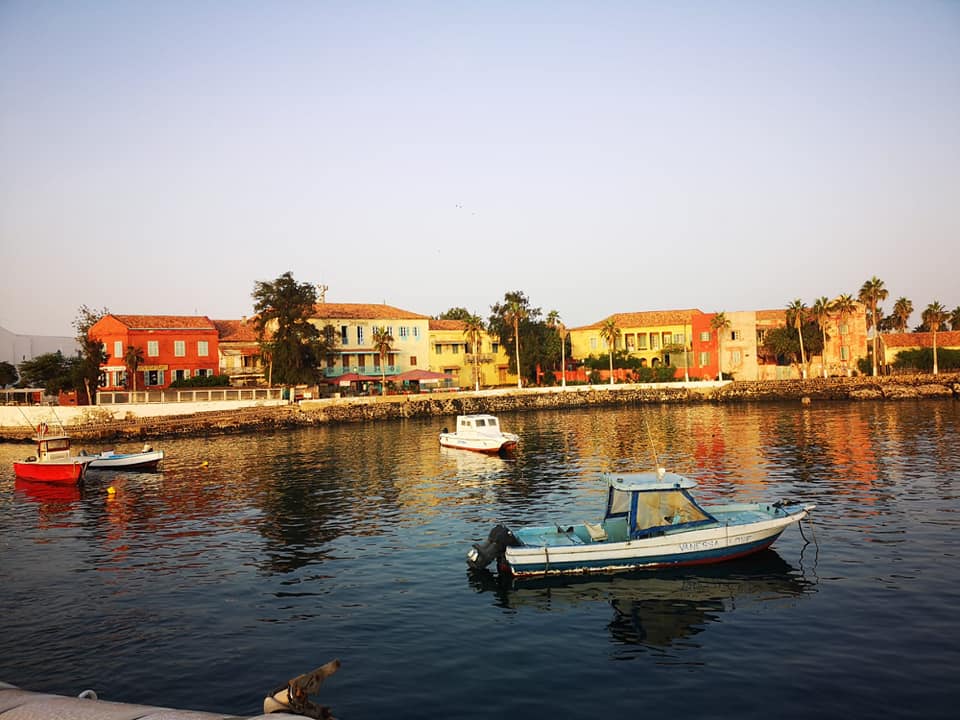
Arrival at Dakar port to board a ferry and spend a night in Gorée, the island where slaves used to be crammed before being shipped to the Americas. Some restored buildings remain to bear witness of those times.
The Portuguese were the first to establish a presence on Gorée in 1450 where they built a small stone chapel. After the decline of the slave trade from Senegal in the 1770s and 1780s, the island became an important port for the shipment of peanuts, Arabic gum, ivory, and other products of legitimate trade. Thanks to the nice breeze, and the many restaurants and shops, Gorée today has become a pleasant and trendy location. In the late afternoon and evening, when the tourists are gone, we will experience the real feeling of this special island.
Waking up in Gorée before the crowd arrives is a pleasure, as strolling in the tiny stone-paved alleys of this historical settlement.
Ferry to Dakar and drive to Lac Retba, a shallow saltwater lake surrounded by dunes, also known as Lac Rose.
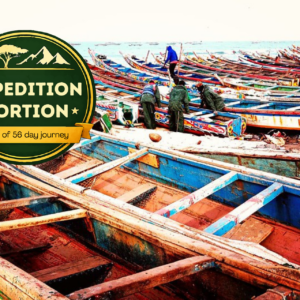
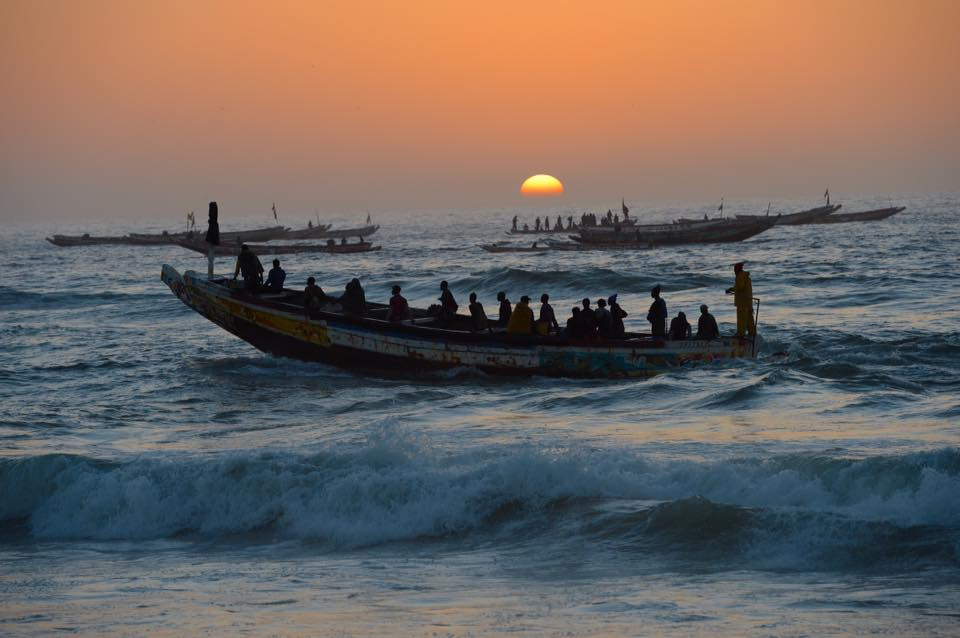
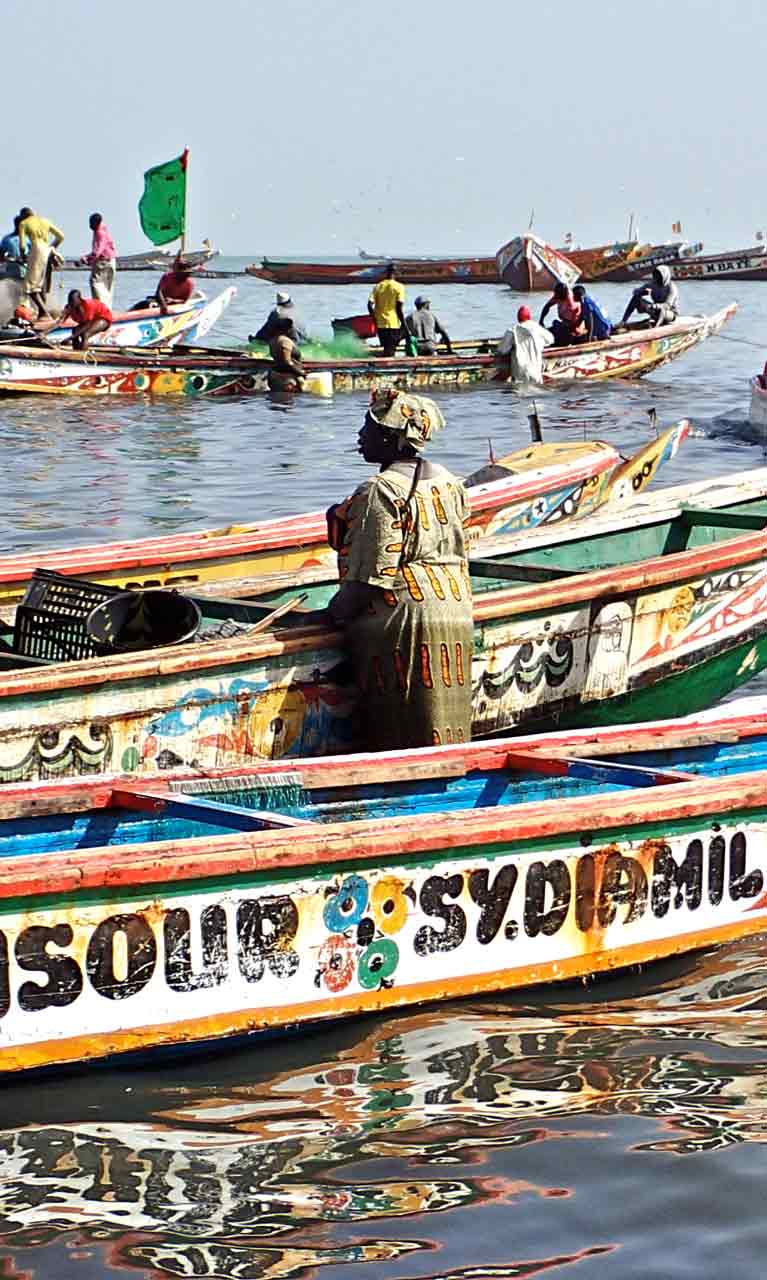
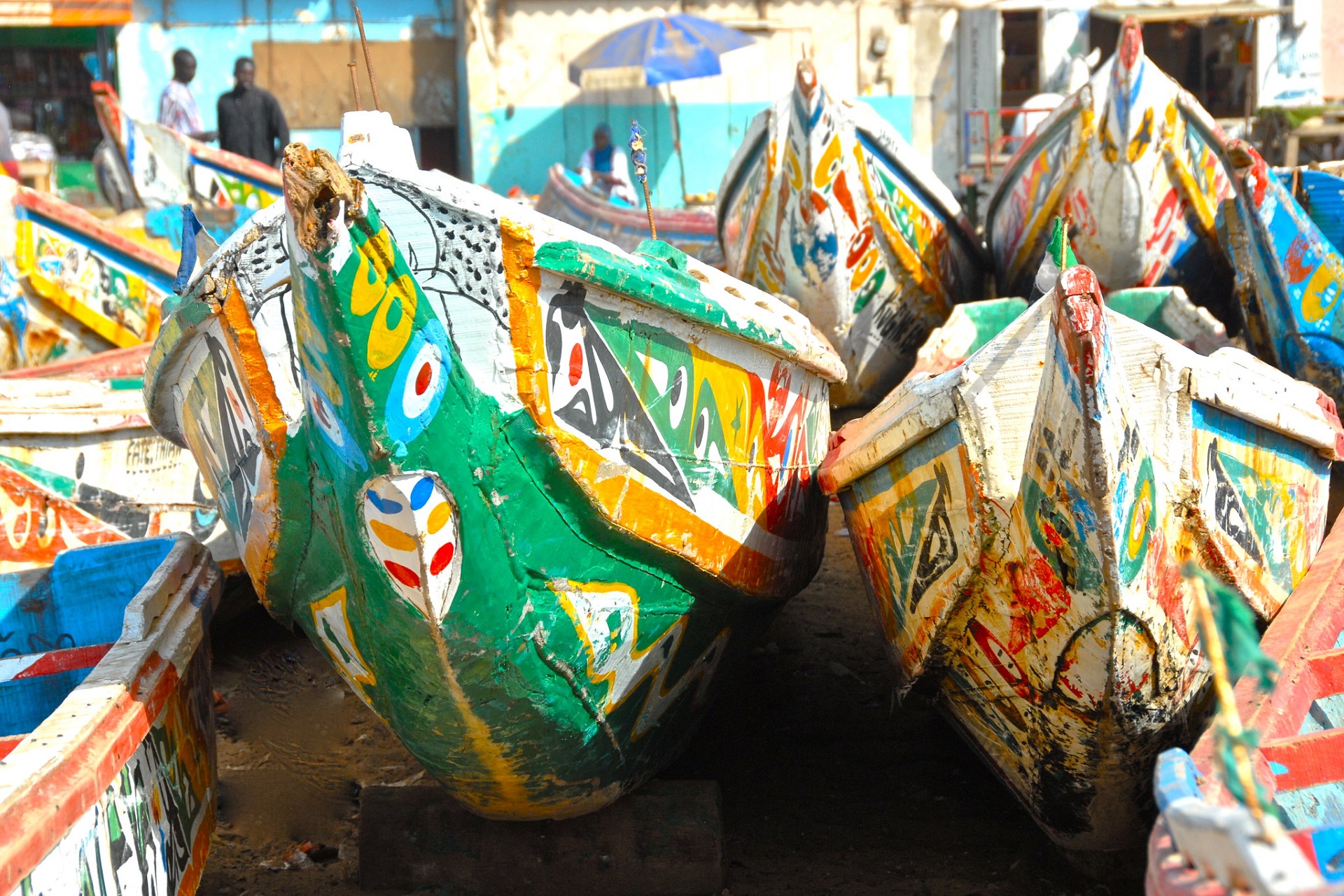
Miles of exciting drive on the beach by 4×4 (if the tides allow) will bring us to discover the largest fishing villages in Senegal. More than 4500 wooden painted pirogues come to the shore with the catch of the day… On the beach the fishermen sell to the local market women, after we meet the artisans carving the large pirogues, the painters decorating them with bright colors
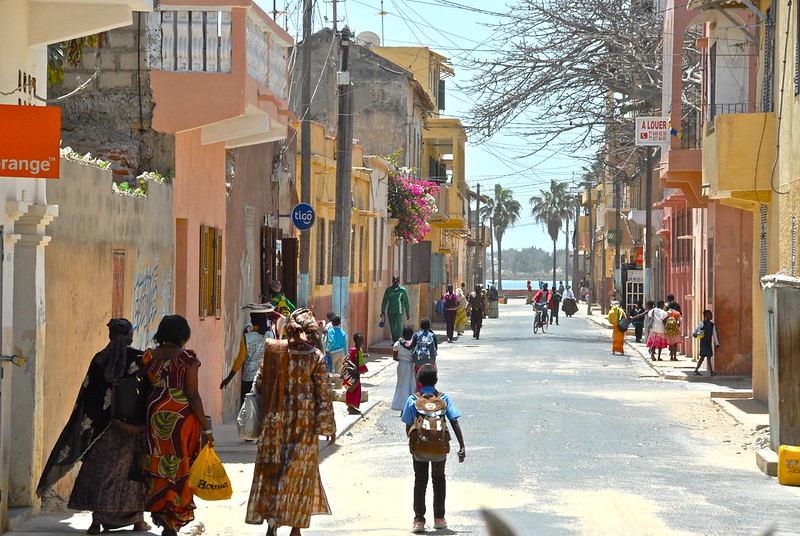
Saint Louis, known to locals as Ndar, is a charming ancient town that was a French territory from 1673 until 1895 and the capital of all French West Africa colonies from 1895 until 1902 when the capital was moved to Dakar. From 1920 to 1957, it also served as the capital of the neighboring colony of Mauritania.
It has been the former base of the “Aeropostale” airmail pioneer operation between Europe, Africa, and South America. Saint Exupéry, the famous writer, and author of “The Little Prince”, was one of Aeropostale’s pilots following this route.
Located on two islands between the Senegal River and the ocean at the southern edge of the Sahara, rich in three centuries of history, cultural background, geography, and architecture, Saint-Louis is a “bridge” between the savanna and the desert, the ocean, the river, and the inland, between tradition and modernity, Islam and Christianity, Europe and Africa.
Home to a society with a distinctive lifestyle, Saint-Louis has retained its unique identity. “No one comes without falling in love with the city,” proudly say its people who consider Saint-Louis as the birthplace of Senegalese Teranga, the Wolof word for hospitability
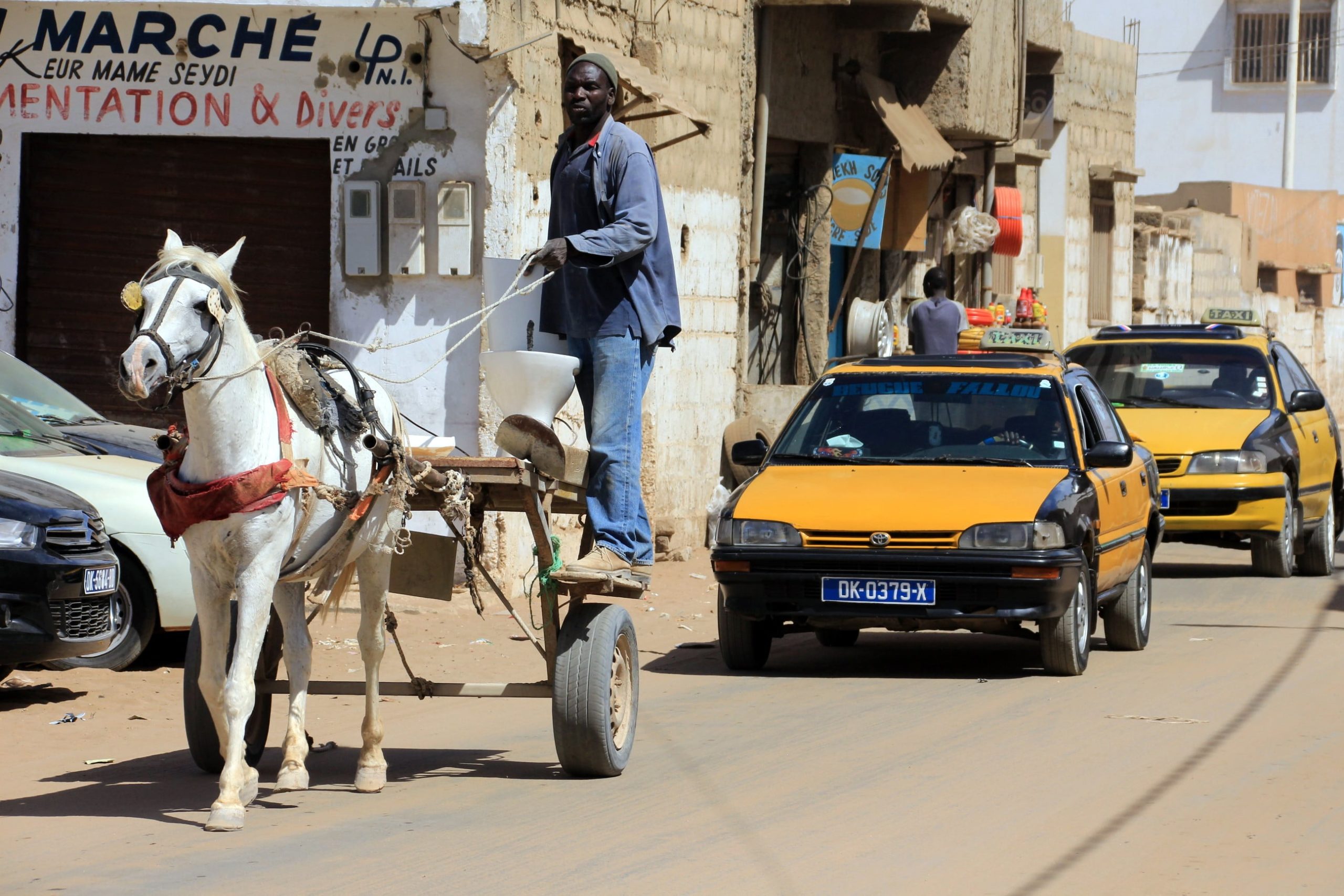
The best way to visit the narrow lanes of Saint Louis is by calash, just as locals do, and walk in the fisherman’s quarters. Time to stroll in the tiny avenues and enjoy the unique atmosphere of this old town.
We will spend the night at the historic hotel of the town – built in 1895 and now fully renovated – it was here that all Aeropostale pilots use to stay.
Early morning departure northwards to discover Djoudj National Bird Sanctuary (Parc National des Oiseaux du Djoudj), a natural oasis formed by hundreds of miles of partially flooded lands that has been declared a UNESCO World Heritage Site.
This “humid paradise” between the Sahara and Ferlo desert, is the best habitat and nesting site for over a million migratory and resident birds – lies on the southeastern bank of the Senegal River and offers a range of wetland habitats that are attended by many migrating birds, some getting here after crossing the Sahara. Out of more than 400 species, pelicans and flamingos are the most common, whereas aquatic warblers are a bit less conspicuous – migrating here from Europe, this park is their single most important wintering site yet discovered. Apart from birds, there is also a wide range of wildlife such as warthogs and crocodiles. Motorboat excursion led by a local ornithologist- guide.
Depending on the season, considering the time of migrations and level of water, the visit to Djoudj may be replaced by a similar experience in Langue de Barbarie, a thin, sandy peninsula, adjacent to the Atlantic Ocean, located in western Senegal, in the neighborhoods of the city of Saint-Louis. The peninsula separates the ocean from the final section of the Senegal River. The Langue de Barbarie National Park is home to an abundant variety of bird species and three species of turtle.
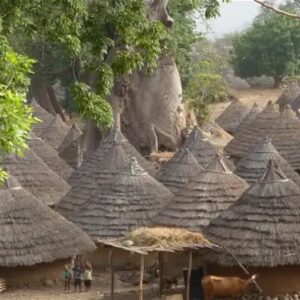
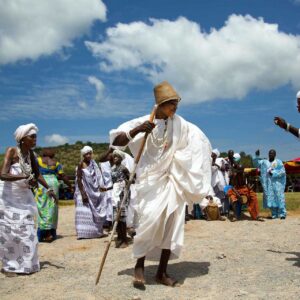
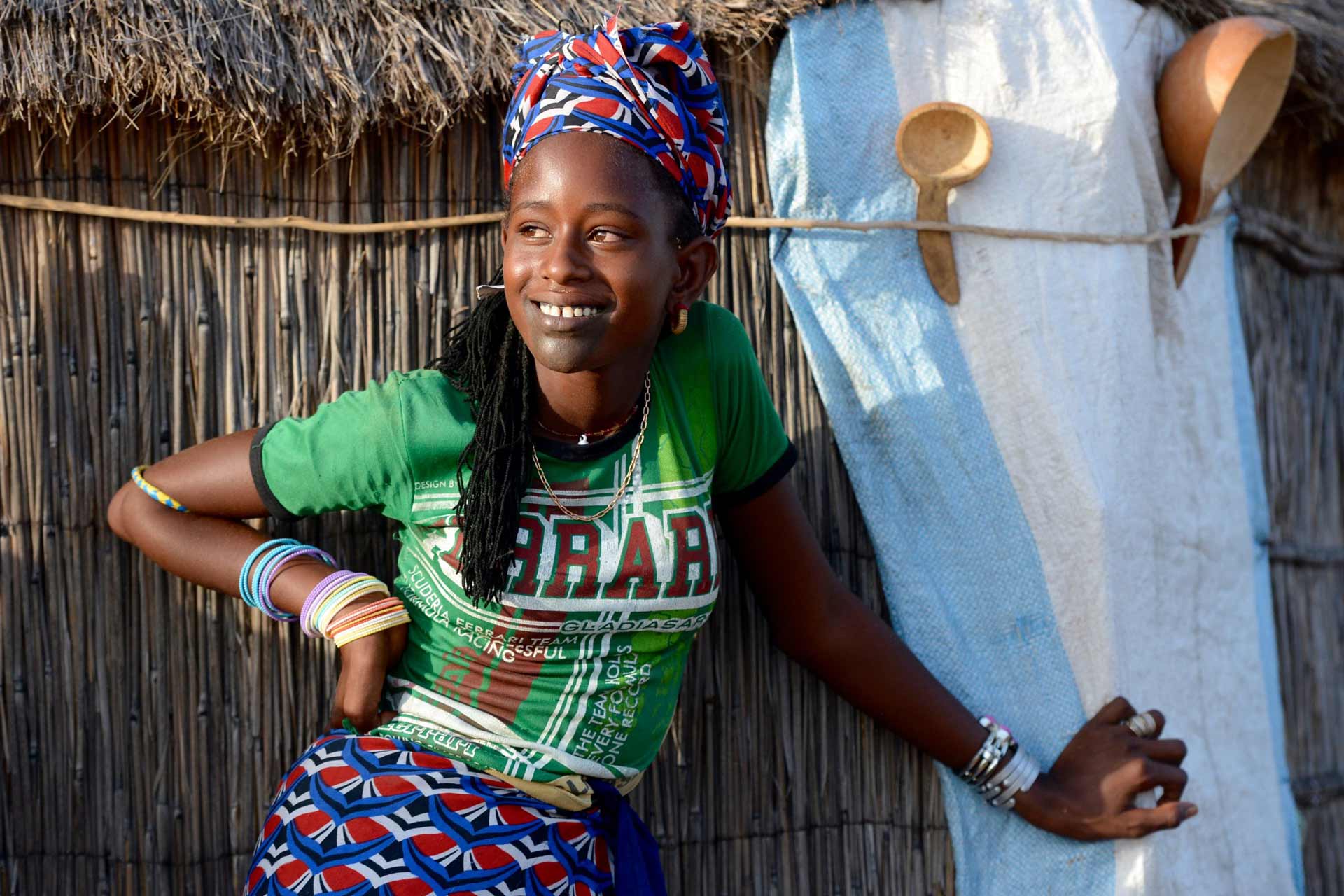
In the afternoon, continue to the Ferlo Desert to discover the arid region which nomadic Fulani tribe herd large droves of zebu. The Fulani (also called Peul) are the largest nomadic tribe roaming West African Savannahs, living in a vast area from Senegal to Chad. Their origins are still covered with mystery. They all share a common aristocratic cult for beauty and elegance. In the afternoon a local guide will join us for a visit to the neighboring villages and shelters. When the herds come back, we might even be invited to witness the milking process.
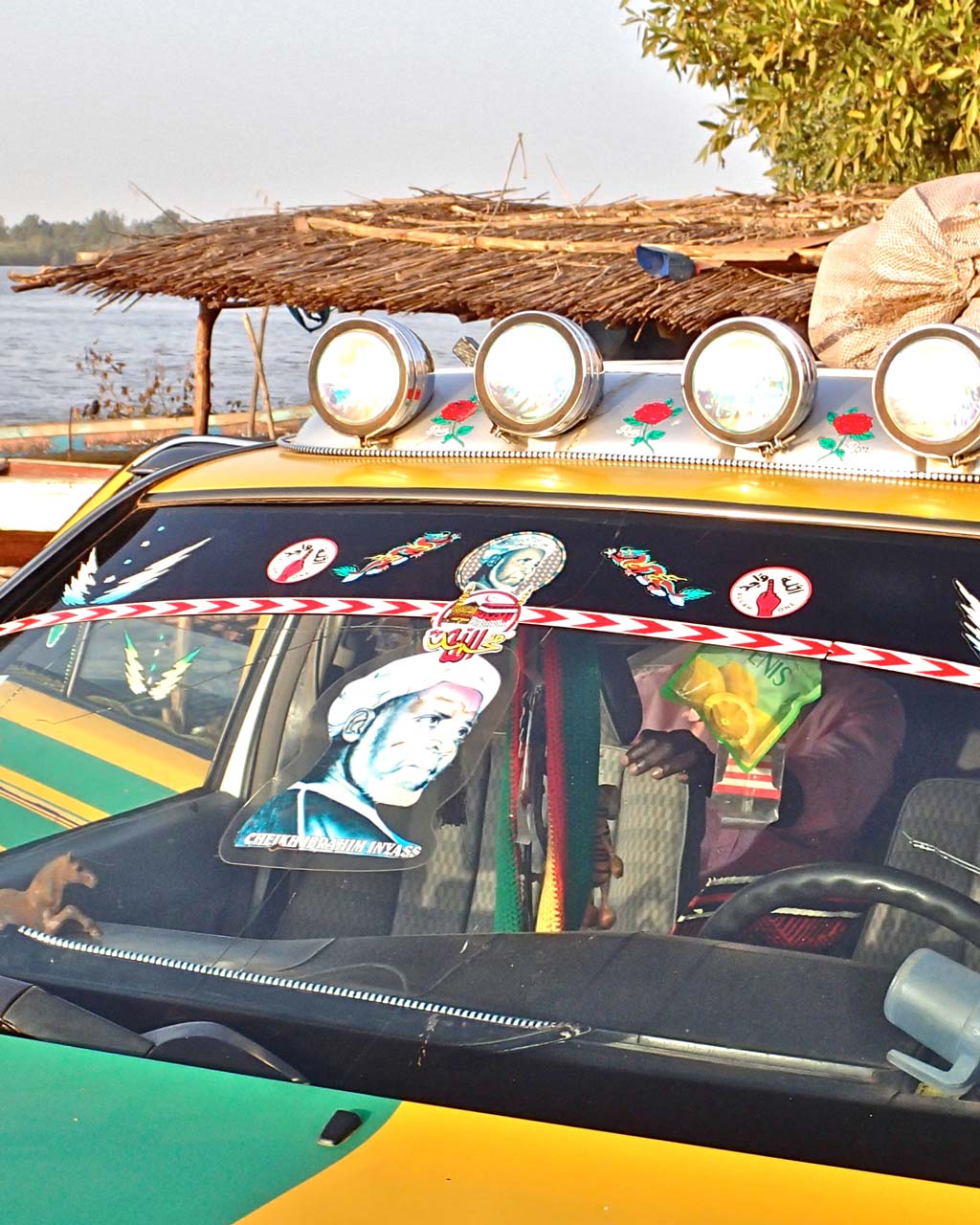
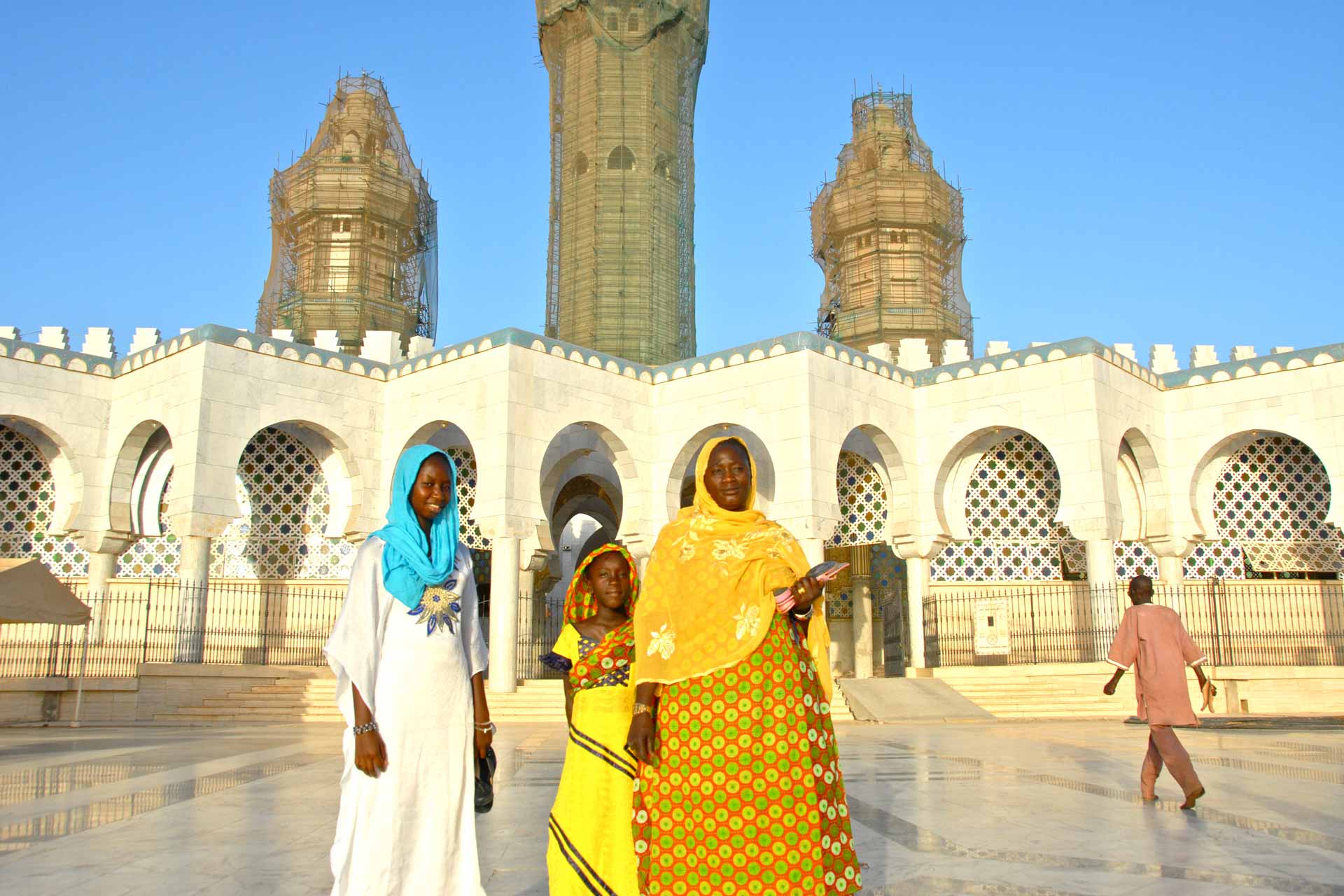
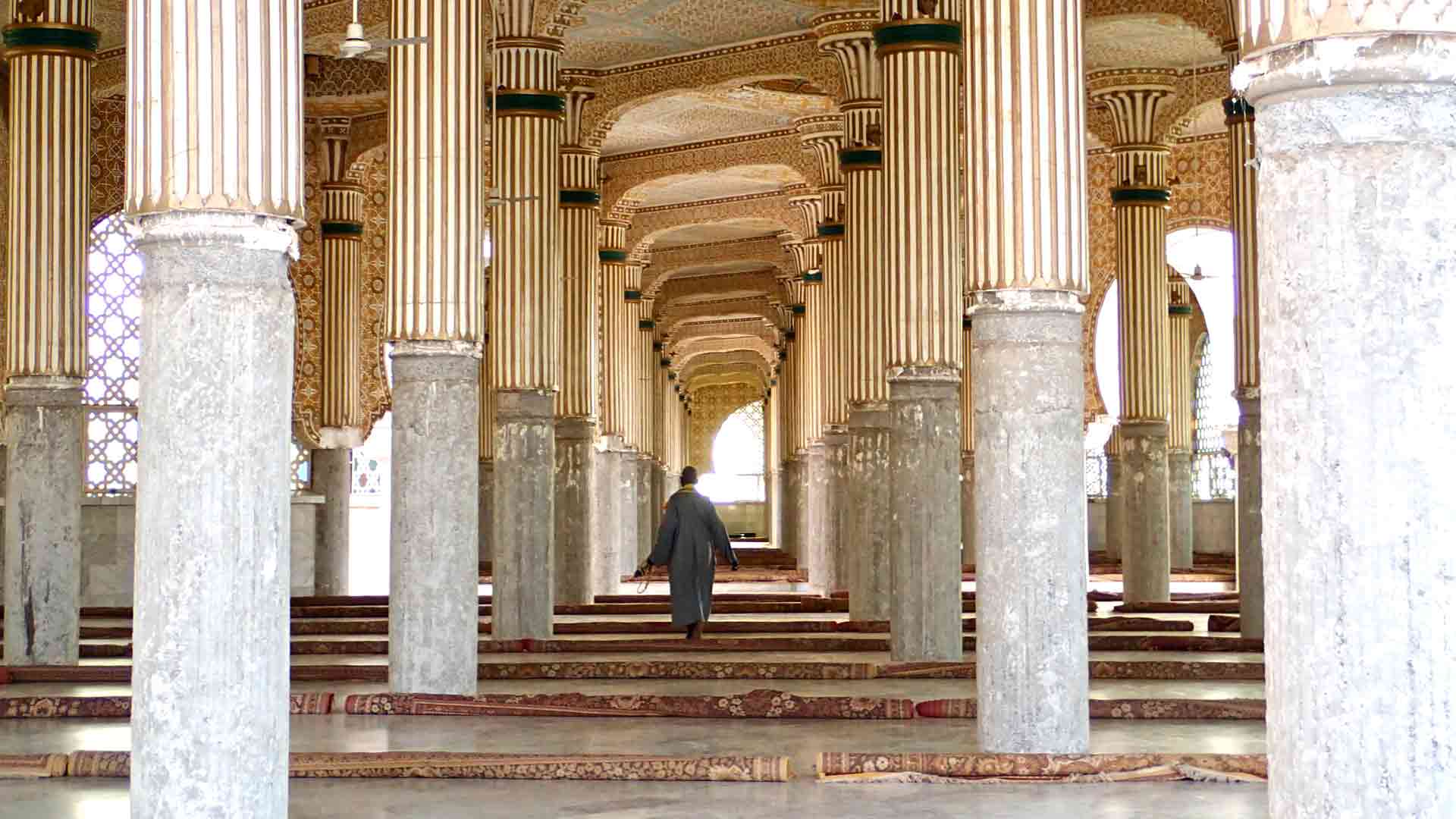
In Touba, we discover the great sense of hospitality that characterises African brotherhoods. The inhabitants follow the Muridi movement and the sacred city is almost a ‘state within a state’ ruled by a caliph. The founder was a Sufi named Amhadou Bàmba Mbake.
Amhadou Bàmba founded Touba in 1887. The sacred place remained a small isolated spot in nature until his death and burial at the site of the Great Mosque 40 years later. The Grand Mosque was finally completed in 1963 and since its inauguration, the city has grown rapidly: from less than 5,000 inhabitants in 1964, the population has grown to 529,000 in 2007.
The Mouridi have a great social and economic impact in Senegal: thanks to their peaceful (and African) vision of Islam, Muridism, with the other brotherhoods that follow the Marabout cult, has become the bastion that protects Senegal from radical Islam.
During the Grand Magal, the annual pilgrimage, the city is visited by four million pilgrims.
The Mourides welcome any interest in their traditions. However, since Tuba is a holy city, all visitors must accept the traditional rules. Therefore, we must apply a respectful dress code: no smoking, no drinking alcohol and no listening to music during the visit. If we follow these rules, we will be welcome. A Baye Fall, a member of a colourful branch of Muridism, will accompany us during in visiting it.
Transfer to Sine-Saloum
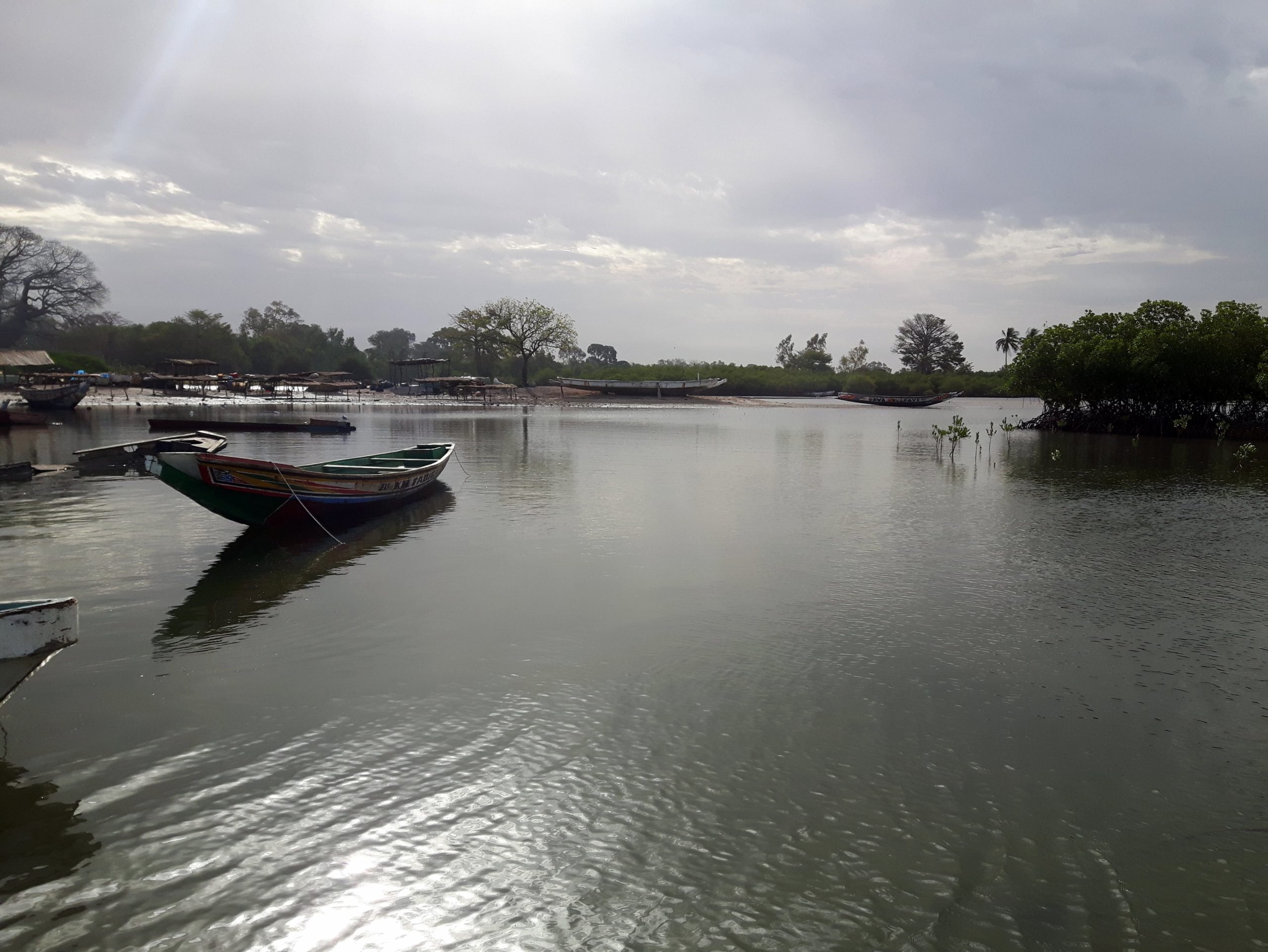
Sine-Saloum is a region of Senegal located north of The Gambia and south of the Petite Côte. It comprises an area of 24,000 square kilometers, about 12 percent of Senegal and is home to the Saloum Delta National Park, designated a UNESCO World Heritage Site in 2011.
Flowing very slowly, this delta allows salt water to enter deep inland.
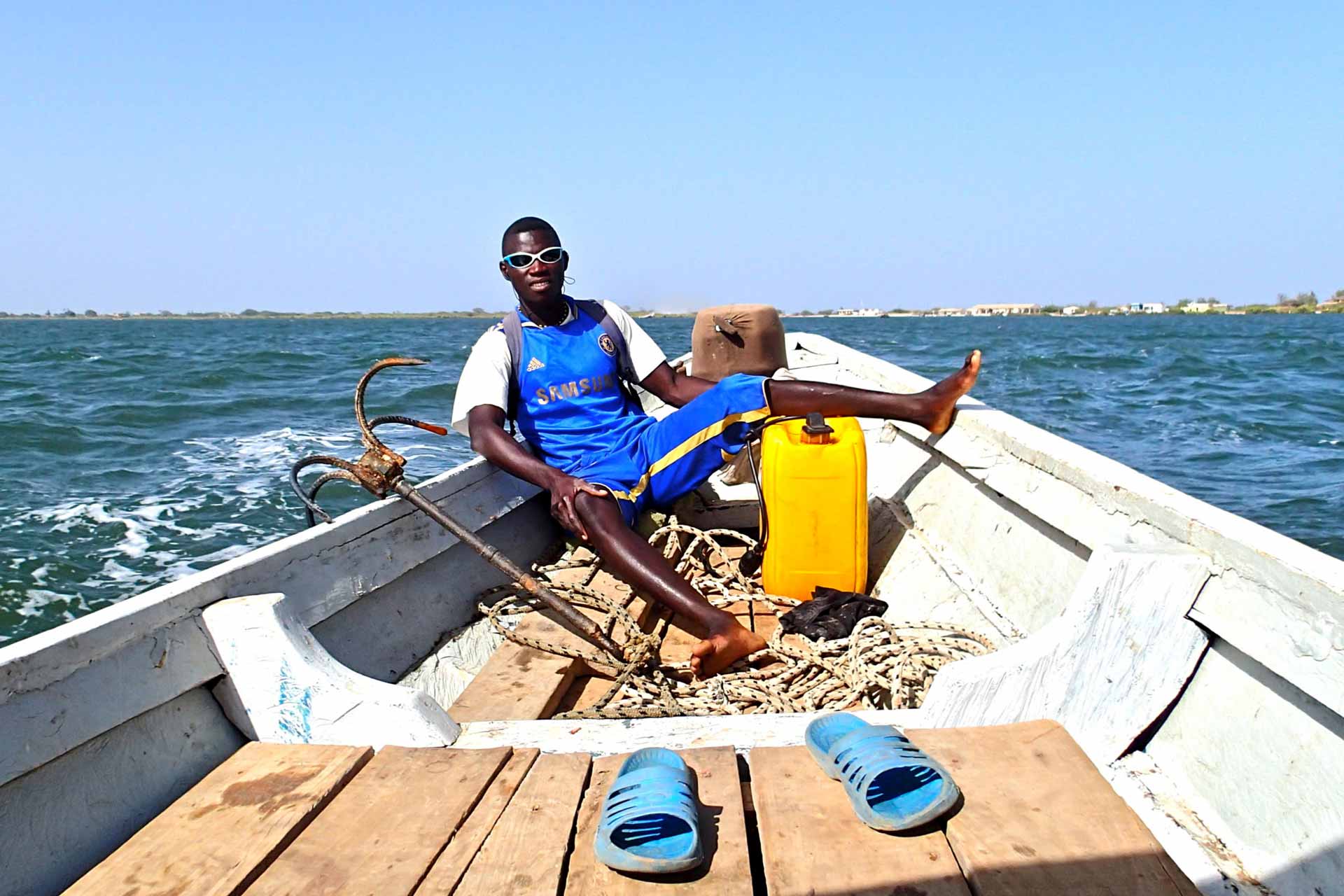
Private boat excursion: visit the mangroves and discover many bird species in their habitat, as well as reforestation programs, put in place to protect this region.
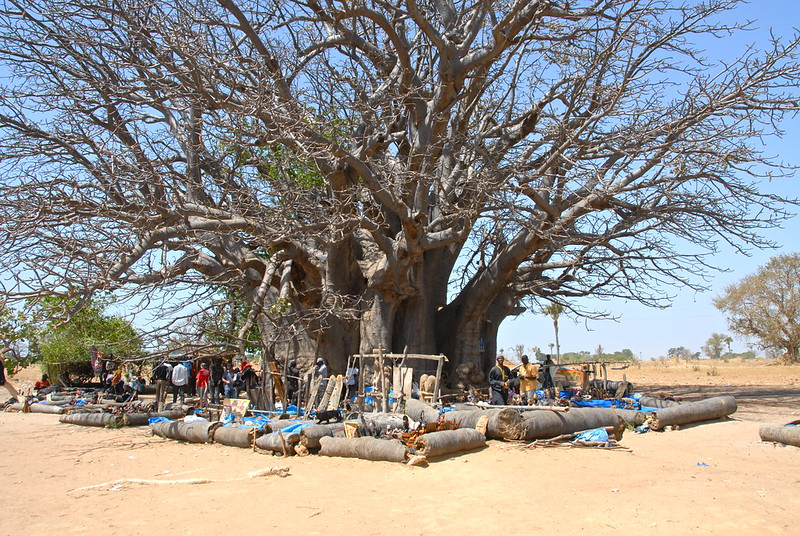
Early in the morning we drive to Bandia Reserve, where you can encounter all of Africa’s large mammals in 3,500 hectares of great outdoors: huge baobabs, thorny bushes, extravagant lianas (Return flight schedule permitting).
In the evening, transfer to the airport for the return flight.
Due to the limited quantity of available rooms, please book in advance.
Included:
Not included:
Fill out the form below to request information. We usually respond within 48 hours.


“A review from a customer who benefited from your product. Reviews can be a highly effective way of establishing credibility and increasing your company's reputation.”
Customer Name
“A review from a customer who benefited from your product. Reviews can be a highly effective way of establishing credibility and increasing your company's reputation.”
Customer Name